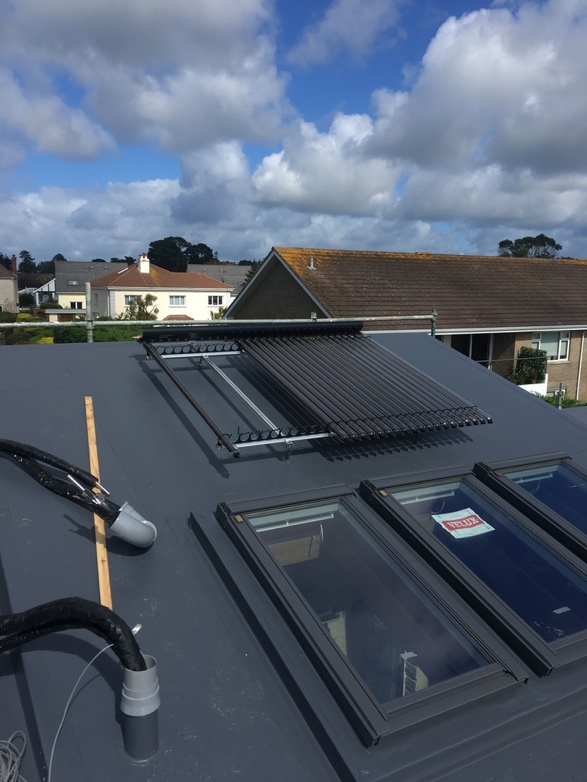
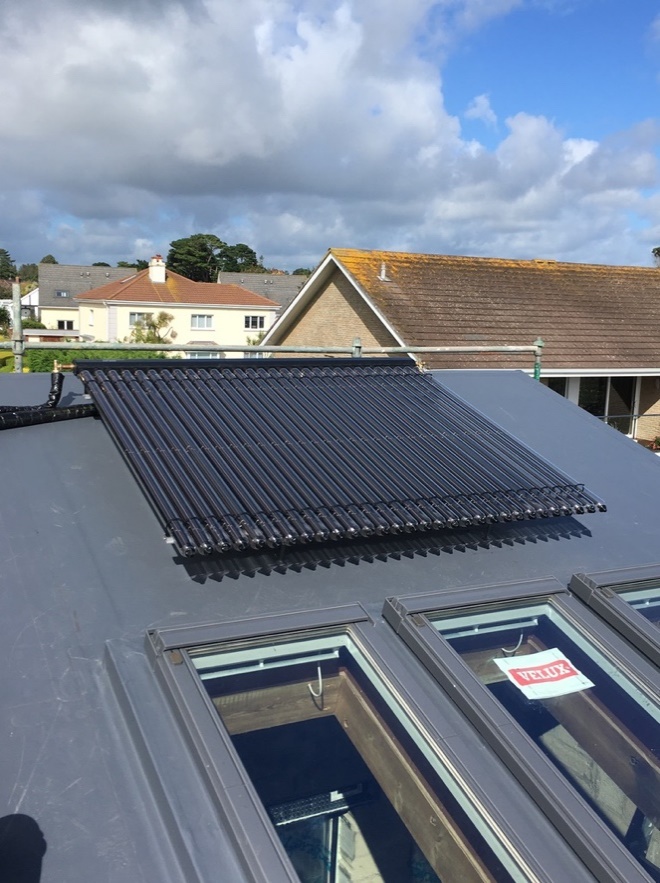
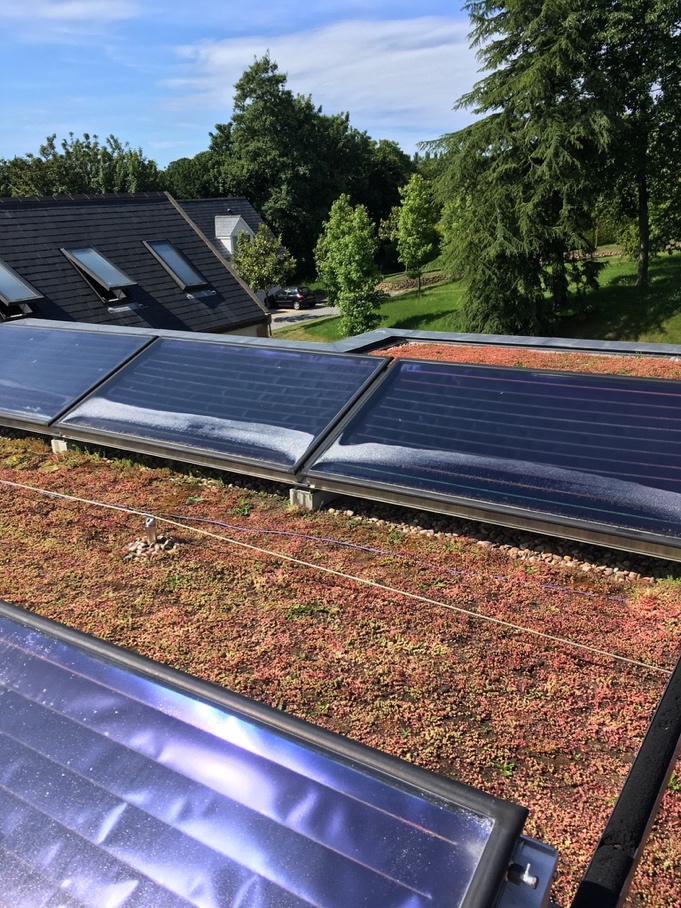
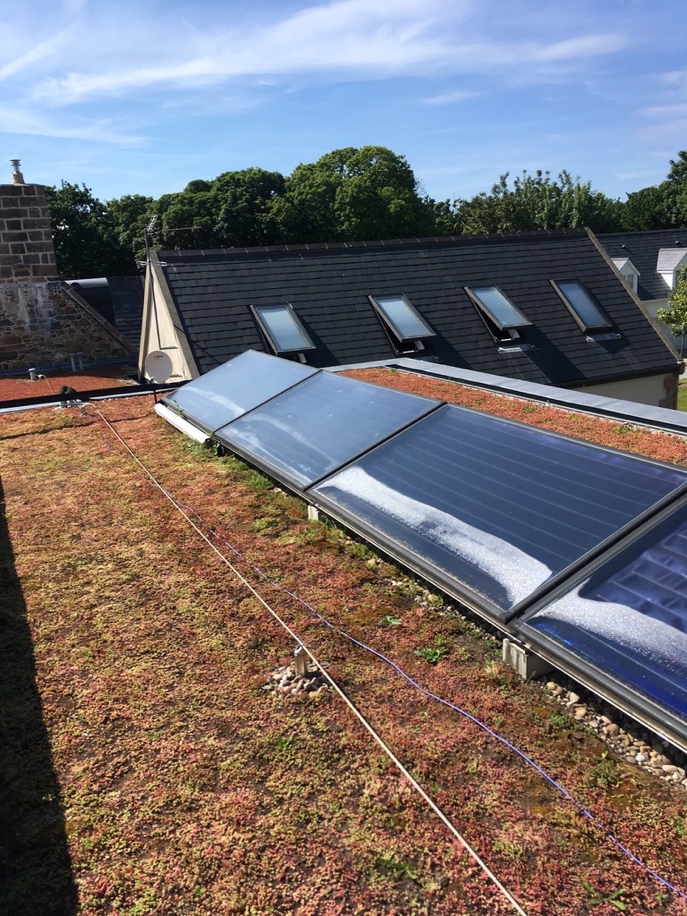
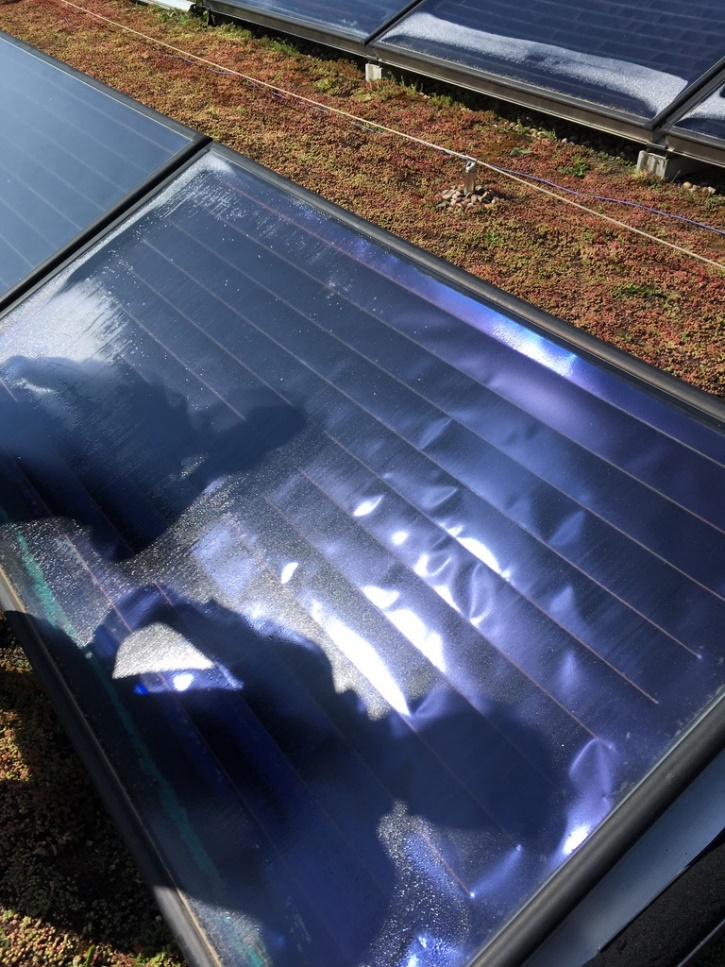
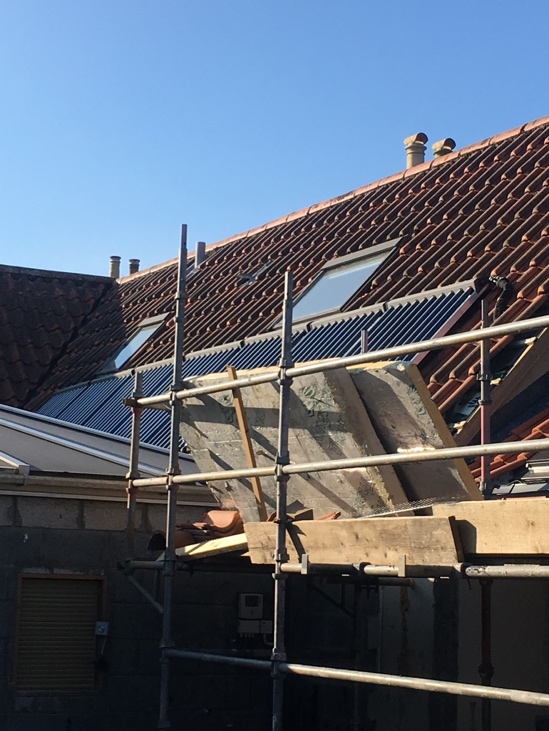
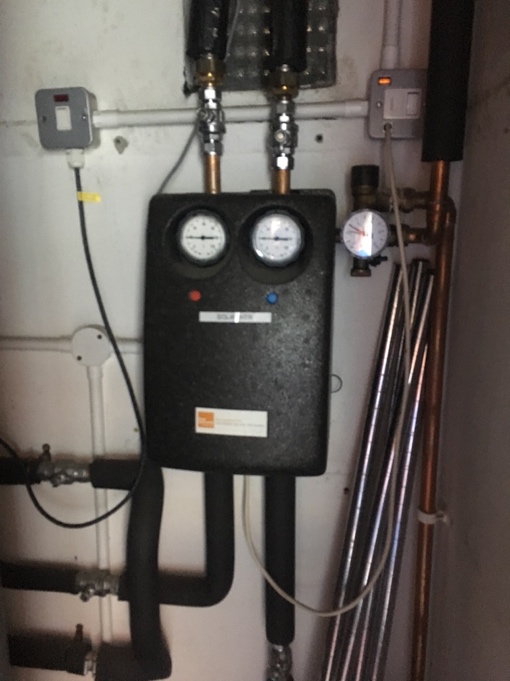
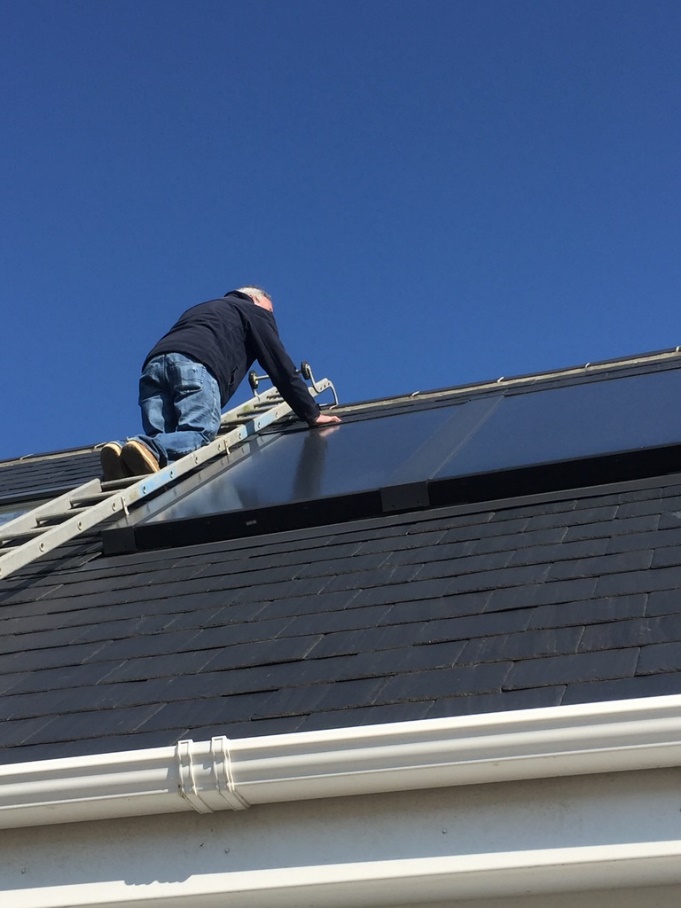
Solar water heating systems collect the thermal energy of the sun and use it to heat water in homes.The systems can be installed in any climate to reduce utility bills and are composed of three main parts: the solar collector, insulated piping, and a hot water storage tank.
Both solar water heating systems and solar photovoltaic systems involve collector panels, however, they are different technologies. Solar water heating systems use radiation from the sun to generate heat for water, whereas solar photovoltaic systems produce electricity.
Solar water heating systems can either rely on electric pumps to circulate water (active) or rely on thermodynamics (passive). Active solar water heating systems are more common in residential and commercial use. Passive solar water heating systems are typically less expensive, but they are also less efficient.
Solar PV systems work by converting sunlight into electricity using photovoltaic cells one solar panels. The panels generate direct current (DC) electricity, which an inverter then converts to alternating current (AC) for use in buildings. Any excess electricity not used can be stored in a battery or sent back to the grid.